
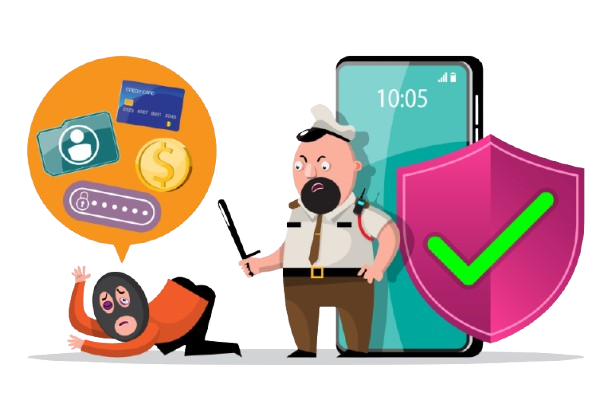
Most Bitcoin users expect threats to come from obvious sources, fake websites, phishing messages, or malware. What many don’t expect is an attack so small it barely appears on the screen. Dust attacks work quietly, slipping tiny amounts of Bitcoin into your wallet and waiting for you to make a mistake. That mistake isn’t spending a lot of money or clicking the wrong link. It’s simply allowing a few satoshis to mingle with your real funds.
This kind of attack is subtle, but its consequences can be serious. And as blockchain analysis becomes more advanced, understanding dust has become an essential part of staying private on the Bitcoin network.
The 0.00000546 BTC You Didn’t Ask For
You open your wallet and notice a microscopic deposit, something like 0.00000546 BTC. Too small to matter. Too small to spend. But it didn’t arrive by accident. Dust attackers rely on the idea that people ignore amounts worth less than a cent. If you don’t notice it, you’re more likely to spend it later without thinking. And that’s exactly what attackers are counting on.
Dust is cheap to send, easy to hide, and surprisingly effective. Once you move it, the trail begins.
How One Spent Satoshi Links All Your Addresses
Bitcoin is transparent by design. When you spend coins, the network can see which inputs were combined to make the transaction. If you include the dust you received with your actual funds, the attacker now knows those addresses belong to the same person.
All it takes is one satoshi spent at the wrong time. Suddenly, a wallet structure you thought was private becomes a map of your activity. From there, attackers can follow your holdings, your transfers, and your spending habits.
From Privacy Loss to Physical Danger in Three Steps
At first, the danger seems purely digital. But the chain of events can escalate quickly.
Once an attacker links your addresses, they can estimate how much Bitcoin you own. Then come the targeted messages, phishing attempts tailored specifically to your activity. If your holdings are significant, the risk grows even further.
Some dusting investigations have led to extortion attempts, threats, or real-world targeting. The attack begins with a penny’s worth of Bitcoin, but can end with a user facing far more than a privacy concern.
The “Do Not Spend” Feature That Saves Your Anonymity
The good news is that wallets have adapted. Many now offer a “do not spend” or “freeze” option for suspicious UTXOs. By marking the dust as unspendable, you isolate it permanently, cutting off the attacker’s ability to connect your funds.
It’s a small button with a big impact. Some wallets even detect dust automatically and warn you before you spend it. Taking a moment to check these settings can preserve years of privacy.
Why HD Wallets Aren’t Immune Anymore
HD wallets were designed to improve privacy by creating new addresses for each transaction. For a long time, they succeeded. But dust changed the landscape. The moment a dust UTXO gets mixed into any transaction, all that careful address rotation loses its advantage.
Attackers know HD wallets are everywhere, which makes dusting even more appealing. The method works across old and new wallet types alike.
Rising Fees Made Dust Attacks Less Popular For Now
There was a period when dust attacks were everywhere. Low fees made it cheap for attackers to broadcast thousands of tiny outputs. As fees rose, the tactic slowed, but it didn’t disappear. It simply moved to cheaper chains like Litecoin and Dogecoin, where dusting remains cost-effective.
If Bitcoin fees fall again, dusting will resurface stronger and more targeted than before.
Samourai’s 2018 Warning That Changed Wallet Design
In 2018, Samourai Wallet raised the alarm on widespread dust attacks hitting thousands of users. Their response, automatic UTXO labeling and dust alerts, changed how wallets approached privacy. Other developers followed, adding clearer warnings and better coin-control features.
That shift helped users identify threats earlier and manage suspicious deposits without fear of exposing their identities.
The Real Threat Isn’t the Dust—It’s What You Do Next
Dust can’t empty your wallet, and it can’t access your private keys. On its own, it’s harmless.
The real danger appears only when you spend Bitcoin alongside the dust. That’s when all the attacker’s tracking begins to pay off. This is why awareness is the strongest defense. Recognizing dust for what it is and refusing to mix it with your legitimate Bitcoin keeps you protected.
A Future Where Privacy Tools Become Standard
As Bitcoin adoption expands, privacy tools are becoming part of everyday wallet design. Coin-control options, UTXO labeling, and automated protection features are becoming standard for users who want to stay invisible on the blockchain. Many individuals are also turning to Hardware Wallets, adding another layer of offline safety for their transactions.
Dust attacks may seem trivial, but they expose a larger truth: protecting your identity on-chain is just as important as securing your private keys. With better tools and a clearer understanding of how dust works, users can keep their financial paths private, no matter how small the threat appears.